Pollution
Where can I find information about pollution?
(Years 5-8)
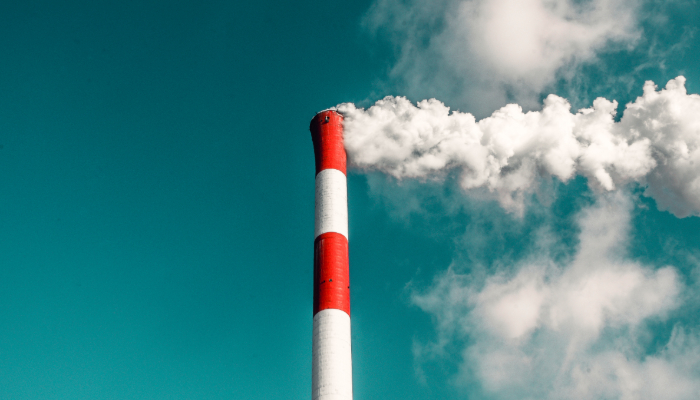
Image: Factory Chimney Smoke by veeterzy on Wikimedia Commons. CC0 1.0. Image cropped.
.jpg)
Entry last updated: 10/07/25
Introduction
Pollution happens when harmful or poisonous substances are introduced into the environment. Air pollution, water pollution and land pollution are the main areas of concern, but society also considers the effects of noise, light and plastic as pollution.
General websites
Here are some great websites for finding out about what pollution is and the problems it causes.
This is the online version of the Encyclopedia Britannica, a well respected source of information. It is one of the EPIC resources, a collection of reliable sites covering lots of different topics. You may need a password from your school or local library to access it.
Choose the Middle level and search for 'pollution'.
You can choose what sort of results you want to see, like articles, images or videos.
Select environmental pollution for a good introduction to the topic.
There are also links to related articles and other websites.
Tips: To use the EPIC resources, you need a password from your school librarian. Or chat with one of our AnyQuestions librarians to help you online. Some EPIC databases may also be available through your public library.
Middle School (Gale in Context)
Another EPIC resource, this site covers many topics, including pollution. It has lots of different types of information, like encyclopedia entries, magazine and news articles, images and videos.
Go to Browse Issues.
Select Pollution.
You can also use the search bar to look for particular types of pollution, like e-waste.
Tips: To use the EPIC resources, you need a password from your school librarian. Or chat with one of our AnyQuestions librarians to help you online. Some EPIC databases may also be available through your public library.
National Geographic is known for its magazine. This section of the National Geographic website is to teach kids about the world and how it works.
Search for 'pollution'.
You can use the filters on the left hand side to choose a content type eg articles, videos or photographs.
Read articles like Light Pollution or Noise Pollution.
Watch videos like Air Pollution 101.
Tips: Search words, or keywords, are the most important words in our question. Usually it’s better to leave out small words like ‘the’, ‘a’ and ‘of’ and just choose the main ones, eg pollution or waste. We can always change our keywords or add more if we need to.
This is a good website for finding out about all sorts of things, including technology and the environment. This site does have some ads - it's best to avoid these and focus on the information we're looking for.
Try a search using the keyword 'pollution'.
This will bring up pages explaining Air pollution, Water pollution and Land pollution.
Each article will have a list of Notes and references that show where the information has come from.
Look down the bottom of each article to find related books, articles and videos on the topic.
Tips: Websites that have .com or .co in the address can have good information, but you need to assess how reliable it is. Check the About us link on the website, if you can find one. That can tell you what the company’s mission and values are.
New Zealand websites
New Zealand also has to deal with the issue of pollution. Here are some websites with information about pollution in New Zealand.
Te Ara: The Encyclopedia of New Zealand
Te Ara is an excellent starting point for all questions about Aotearoa New Zealand. If we scroll down to the bottom of the page we can see that the website belongs to the Ministry for Culture & Heritage, so the information is well-researched and reliable.
Use the search box to find 'pollution'.
You will find that lots of stories have information, like in Sewage, water and waste.
Use the Images and media link to find related pictures and videos.
You can always focus your search to make it more specific eg 'air pollution'.
This website is especially for New Zealand school students and teachers and covers lots of different science topics.
Try a general search for 'pollution' to start with.
You can use the drop down menus for certain types of results like Article, Interactive, or Video.
Explore articles like Farming and environmental pollution or Human impact on rivers.
We also found this image showing some of the Health effects of pollution.
Tips: Websites that have .org or .net in the address can have good information, but you need to assess how reliable it is. Check the About us link on the website, if you can find one. That can tell you what the organisation's mission and values are.
Local Government New Zealand (LGNZ) - Council websites and maps
Local and regional councils around New Zealand have information about pollution in that area and what can be done about it.
Look under the heading Council websites to find your local council.
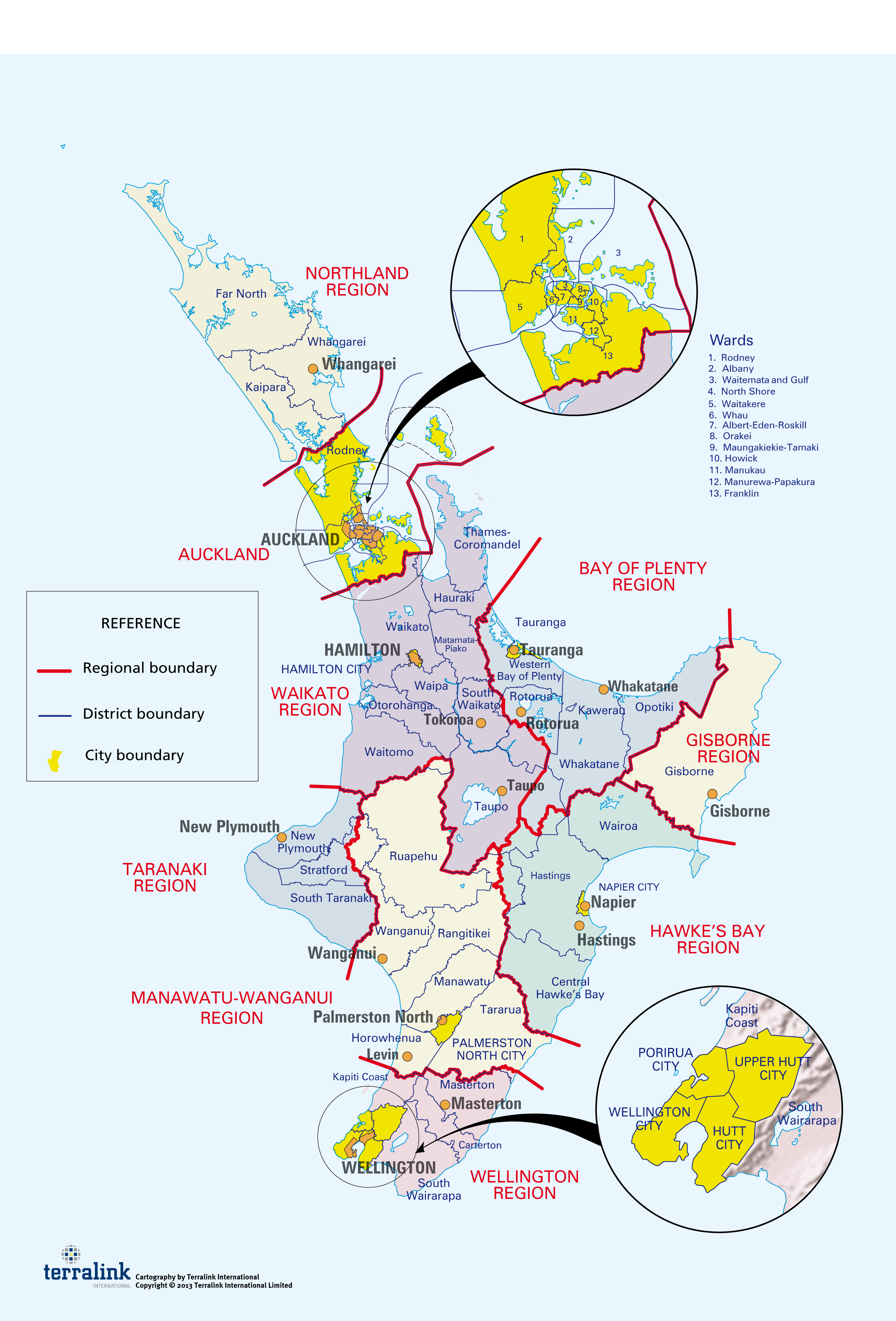
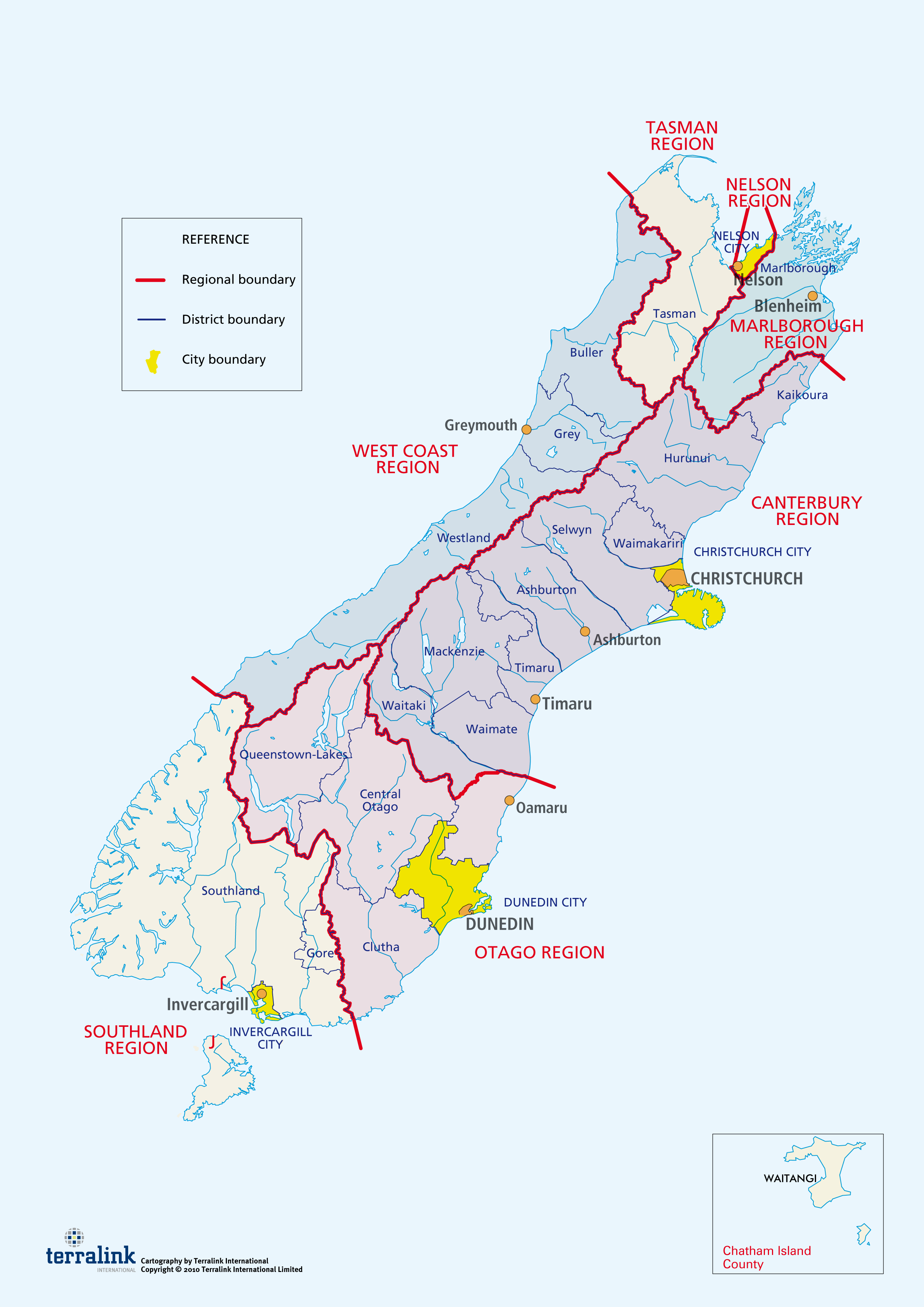
Or choose the link to North Island map or South Island map to find your council on a map.
Go to the about page for the council you want, eg Auckland Council.
Search their website for your keywords, like 'pollution' or 'waste'.
Tips: We like sites like this because they’re reliable. You can tell because of their web address – they have either .govt or .ac, meaning they are from government or educational organisations. They’re also New Zealand sites, so relevant for us.
Books
There have been many books written on the subject of pollution. Here are some examples - check out your local public or school library to see what they have.
Global pollution by Rachel Minay
Studying pollution by Izzi Howell
Wasted : fatbergs, space junk, plastic and a load of other rubbish by Clive Gifford
Trash vortex : how plastic pollution is choking the world's oceans by Danielle Smith-Llera & Michael Wert.
SCIS no: 1832638
Topics covered
Related content
Climate change
Where can I find information about climate change?
Recycling
Where can I find information and tips about recycling?
Global warming
Where can I find information about global warming?
Sustainability
Where can I find information about sustainability?
Farming (New Zealand)
Where can I find information about farming in New Zealand?
Lakes (New Zealand)
Where can I find information about lakes in New Zealand?
Oil and gas (fossil fuels)
Where can I find information about oil and gas (fossil fuels)?

Plastic
Where can I find information about plastic?
Rivers (New Zealand)
Where can I find information about rivers in New Zealand?
Deforestation
Where can I find information about deforestation?
Transportation
Where can I find information about transportation?
Renewable energy
Where can I find information about renewable energy?