
Search Results
Search results
264 results for Topics and Regional Resources
![Image: Brees, Samuel Charles, 1810-1865 :Thom's whaling station, Porerua. [Between 1842 and 1845] Engraved by Henry Melville; drawn by S C Brees [London, 1847] (https://natlib.govt.nz/records/23222459) by Samuel Charles Brees. Collection: Alexander Turnbull Library, Ref: PUBL-0020-05-3. Image cropped.](https://images.ctfassets.net/q60gmaba8x5v/7GsTfDc93oYNO1VZSw06HE/c9dd4b1540d1e47bdfe140a1166719d6/nlnzimage.jpg)
Sealers and whalers from around the world started arriving in Aotearoa in the late 1700s. Māori probably didn't hunt whales before the arrival of whalers, bu...
Entry last updated: 14/04/26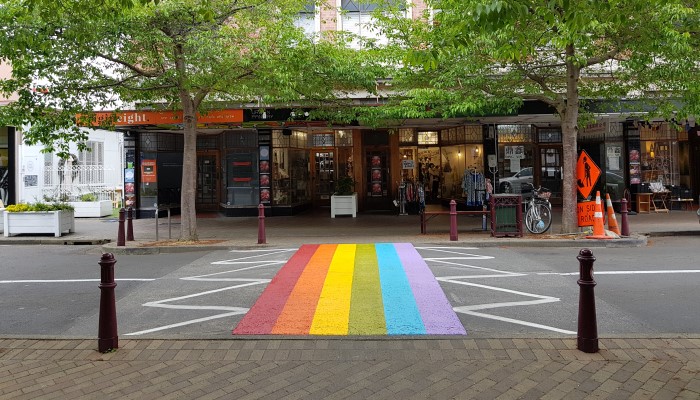
Senior Secondary (Years 11 - 13)
LGBTQIA+ stands for lesbian, gay, bisexual, transgender, queer or questioning, intersex, asexual (or ally) and more. The '+' signifies the ongoing acceptance...
Entry last updated: 14/04/26![Image: Nairn Family Portrait (https://manawatuheritage.pncc.govt.nz/item/e8760b44-819c-44cd-8c51-7e2f02f9c27b) by [unknown] on Manawatū Heritage.](https://images.ctfassets.net/q60gmaba8x5v/WsPqck8hNErldCz4fFVhY/f9ba988e1c18f5112dfccf52bc1287e1/Early_settlers__New_Zealand__1_.jpg)
Junior Secondary (Years 7 - 10)
European settlers began to arrive in New Zealand from 1769. Over the years settlers from many parts of the world have moved to live here too. Find out how th...
Entry last updated: 3/08/26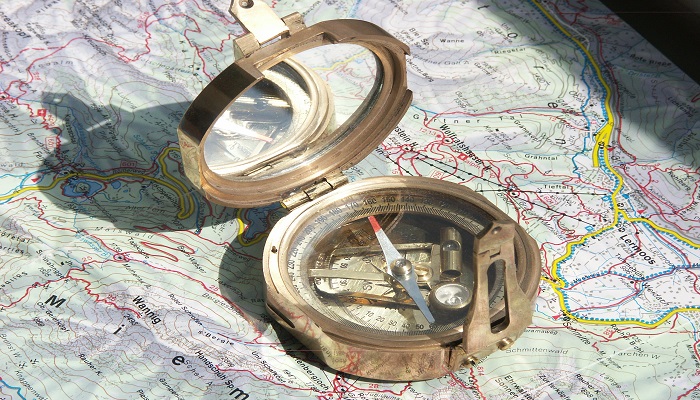
Explorers travel to new places to learn about the land and what lives and grows there. They are looking for new things that are different from other places t...
Entry last updated: 10/03/26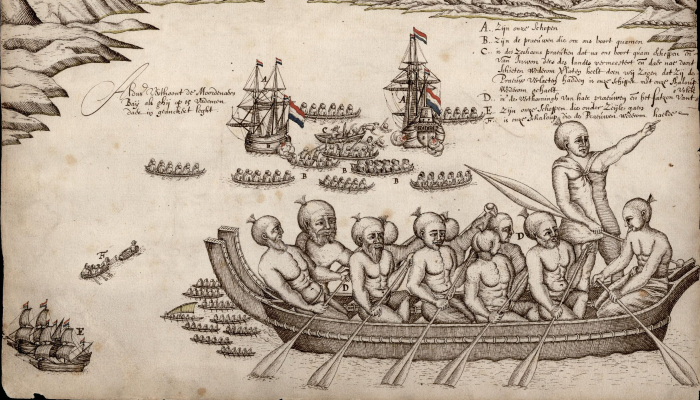
On 6 October 1769, James Cook saw New Zealand from on board the ship Endeavour. He sailed into Poverty Bay two days later. This became the first meeting betw...
Entry last updated: 29/06/26![Image: ANZAC Day Dawn Parade 2018 (https://manawatuheritage.pncc.govt.nz/item/47e4e887-74c0-4179-bac2-fcaeb63a482d) by [unknown]. Collection: Palmerston North City Council.](https://images.ctfassets.net/q60gmaba8x5v/3JOvjdtMh2rLaVgh1DfM2K/bd26d3106245eb349fb06650c142227b/anzac-day-2018-hr-64.png)
ANZACs is the word for New Zealand and Australian soldiers who were involved in World War One.
Entry last updated: 28/05/26
New Zealand's singers and musicians have been influenced by music brought in by the early settlers, Māori music tradition and popular music trends over the y...
Entry last updated: 10/07/25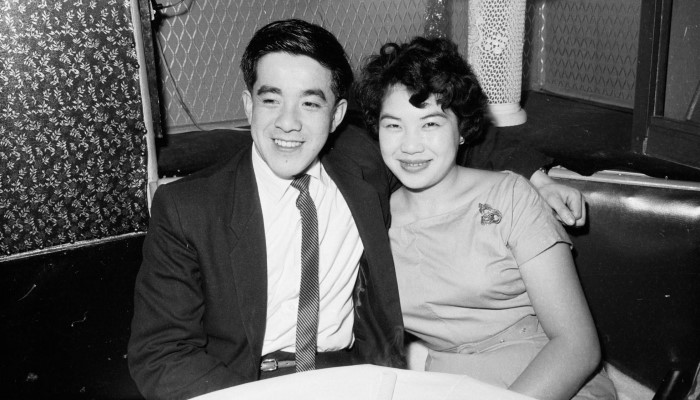
Since the 1700s, new people have immigrated to Aotearoa. Some came in search of a better way of life or because their country was no longer safe. Newcomers c...
Entry last updated: 14/05/24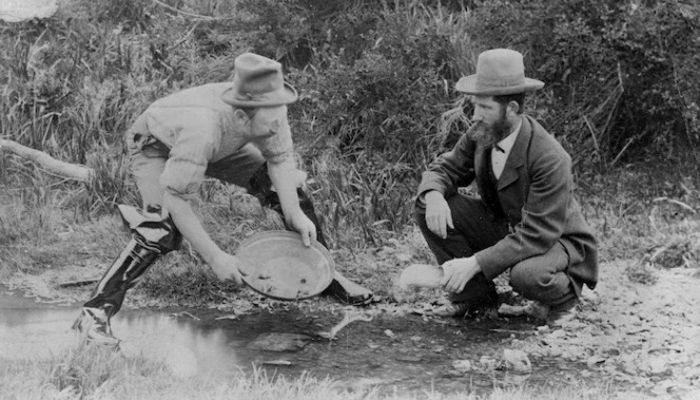
The New Zealand gold rush began with the discovery of gold in the Coromandel area in 1852. As more gold was discovered, people came to New Zealand from all o...
Entry last updated: 10/07/25
Senior Secondary (Years 11 - 13)
Genetic modification (GM) is when the genome of an organism (like a plant or an animal) is changed when new genetic material is added. This could be a gene t...
Entry last updated: 25/11/24