
Search Results
Search results
59 results for Topics and Regional Resources
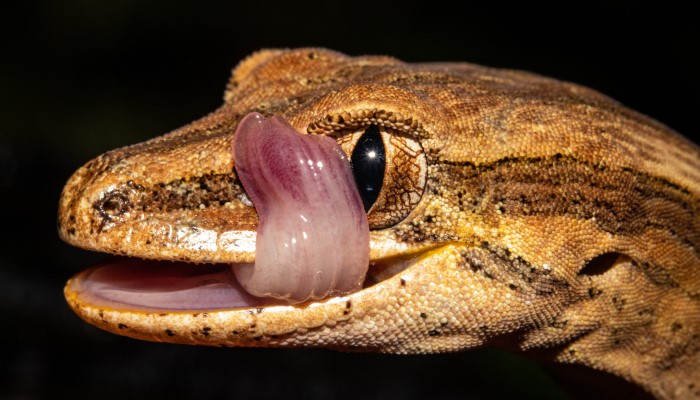
Adaptation is an evolutionary process where a plant or an animal becomes suited to living in a particular habitat. These are changes that take place over man...
Entry last updated: 16/01/25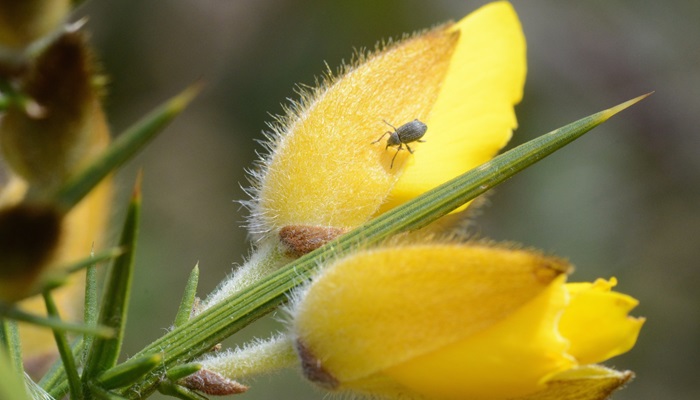
Junior Secondary (Years 7 - 10)
Pest plants are invasive species introduced to New Zealand by humans. They spread quickly and invade habitats, harming the environment and threatening native...
Entry last updated: 29/01/26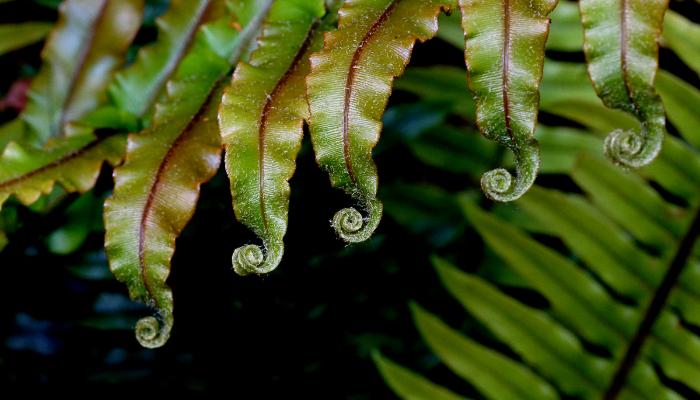
Native plants are plants that are indigenous to or originate from a specific country. New Zealand has a wide variety of native plants which are unique as the...
Entry last updated: 14/04/26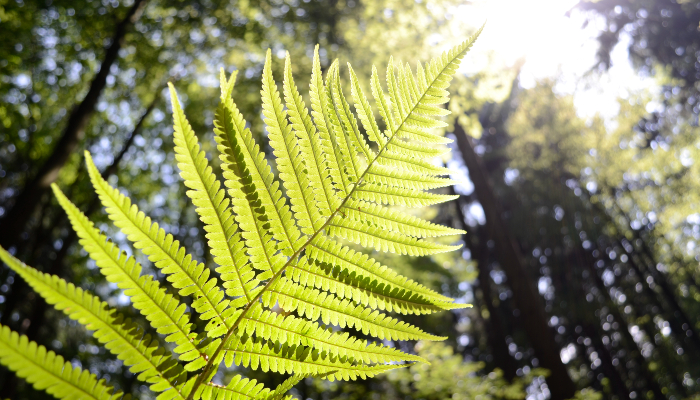
Photosynthesis is a process where plants use sunlight, water, and carbon dioxide to make food or energy. Look at the websites on this page to find out more.
Entry last updated: 4/11/26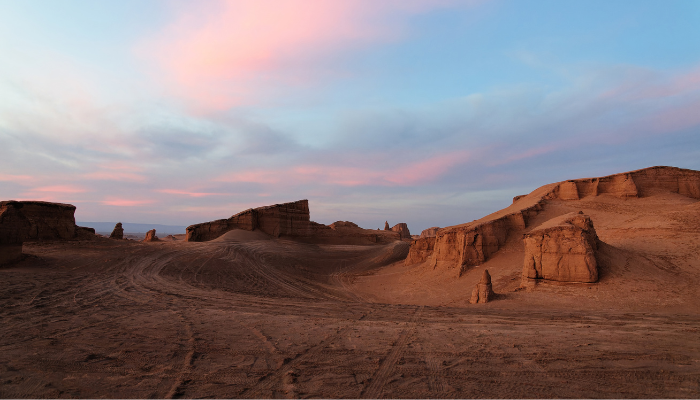
Deserts are among the world’s most unique biomes. They can be cold, hot, rocky and sandy. They are home to plants and animals that have adapted to harsh dese...
Entry last updated: 7/10/26
Junior Secondary (Years 7 - 10)
Nuclear power is another source of power like wind, water or solar power. It is a cheap, reliable and clean source of energy, however the biggest disadvantag...
Entry last updated: 10/07/25
Junior Secondary (Years 7 - 10)
Aotearoa New Zealand's forest ecosystem supports native and introduced trees, shrubs, animals, and birds. Forests might have covered 80% of the land, but thi...
Entry last updated: 10/07/25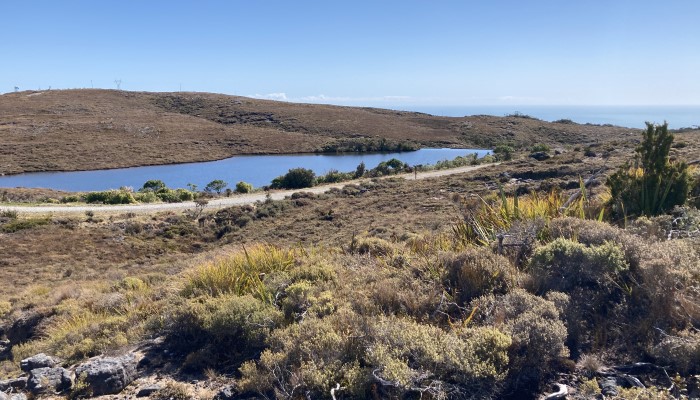
An ecosystem is made up of all of the living things and natural features in an area. These could be animals, plants, rocks and dirt, water, and weather.
Entry last updated: 9/11/26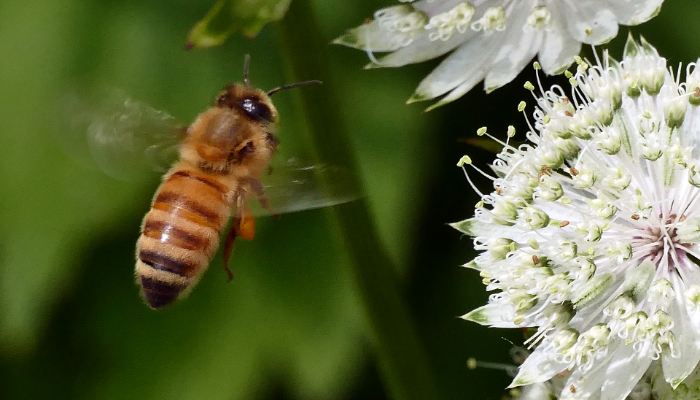
Biology is a branch of science that studies organisms (living things) and their changes. It includes the study of cells, plants, animals and the human body. ...
Entry last updated: 2/12/25
Antarctica is mostly a frozen continent located at the South Pole. In this article we'll look at what makes Antarctica and the animals and plants that surviv...
Entry last updated: 14/04/26