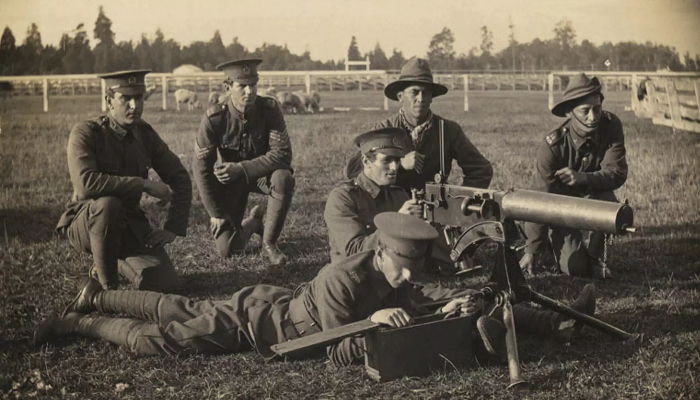
World War One, also called the First World War, took place between 1914 and 1918. It is called a 'world war' because so many different countries were involve...
View Topic

Explore Many Answers to find resources on popular topics and about your local region.
A role model is a person that you look up to, respect, and want to be like. You get to choose your own role models based on the kind of person you want to be...
Entry last updated: 20/05/26Junior Secondary (Years 7 - 10)
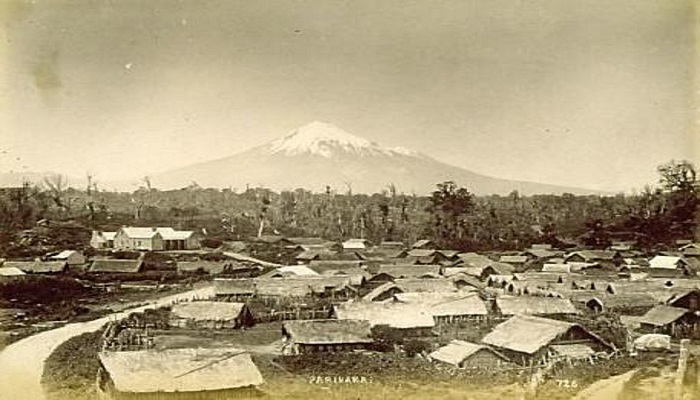
Parihaka is a Māori settlement in Taranaki. It was founded in the mid 1860s by Te Whiti-o-Rongomai and Tohu Kākahi. At this time land was being divided up an...
Entry last updated: 11/05/26Junior Secondary (Years 7 - 10)
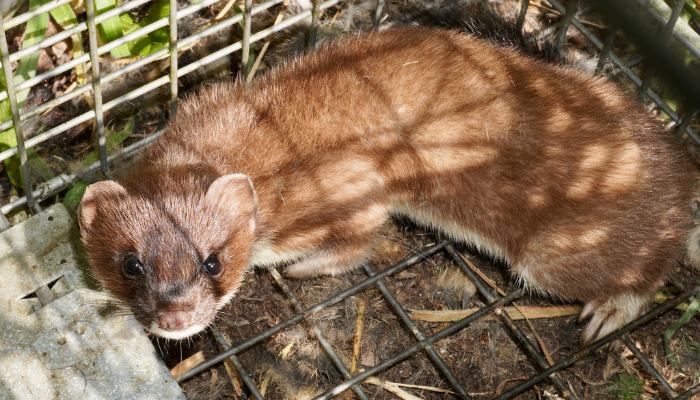
An animal is considered a pest if it causes damage to the environment, people or property. Pests are often introduced species (animals which have been brough...
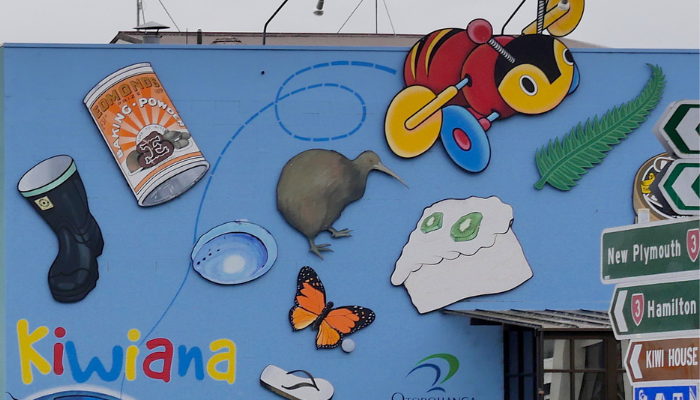
Entry last updated: 11/05/26The culture of New Zealand is unique. It includes bits of history from various sections of society that go to make up New Zealand. You can see it in items li...
Entry last updated: 22/04/26Senior Secondary (Years 11 - 13)
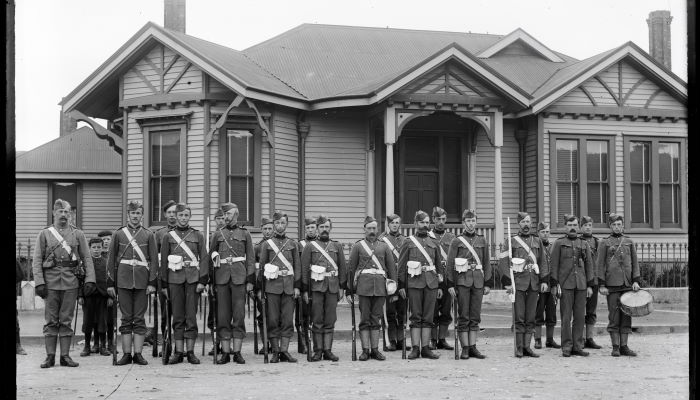
There were two Boer Wars, or Anglo-Boer Wars. The first Boer War of 1880-1881 has also been named the Transvaal Rebellion, as the Boers of the Transvaal revo...
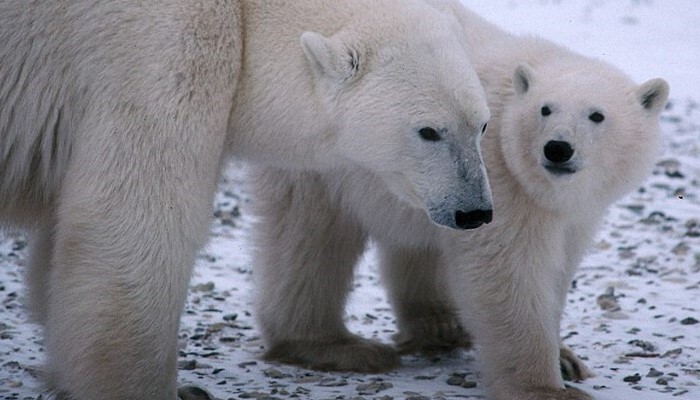
Entry last updated: 22/04/26Adaptation helps people and animals survive. Polar bears have adapted to living in the snow by growing white fur to make them harder to see. Cactus plants h...
Entry last updated: 22/04/26Junior Secondary (Years 7 - 10)
People who lived during World War One and soon after left behind lots of diaries, photos, letters, manuscripts, and other such documents that recorded event...
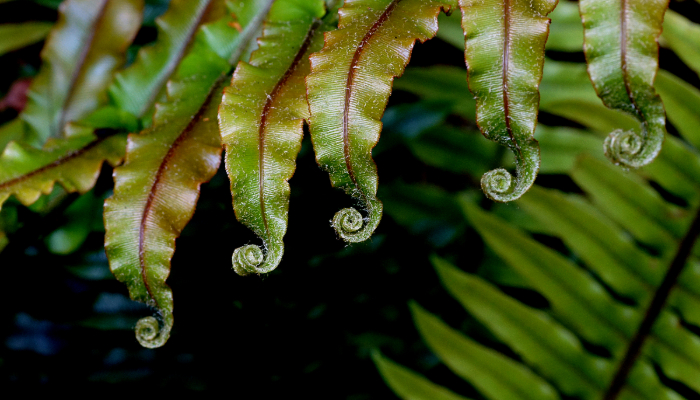
Entry last updated: 14/04/26Native plants are plants that are indigenous to or originate from a specific country. New Zealand has a wide variety of native plants which are unique as the...
Entry last updated: 14/04/26Junior Secondary (Years 7 - 10)
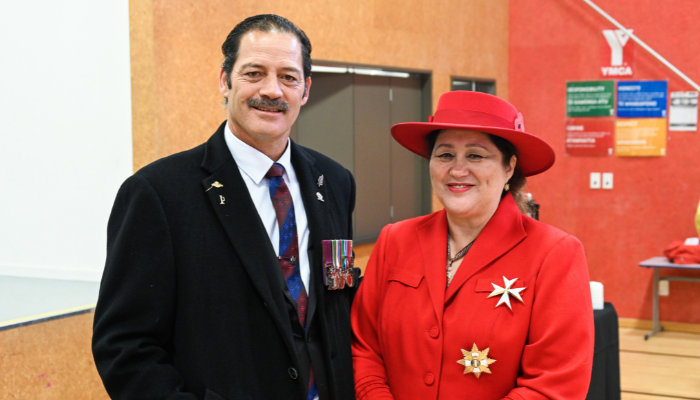
There are many past and present Māori leaders and Māori heroes whose achievements and special qualities make them stand out in both the Māori and Pākehā worl...
Entry last updated: 14/04/26Junior Secondary (Years 7 - 10)
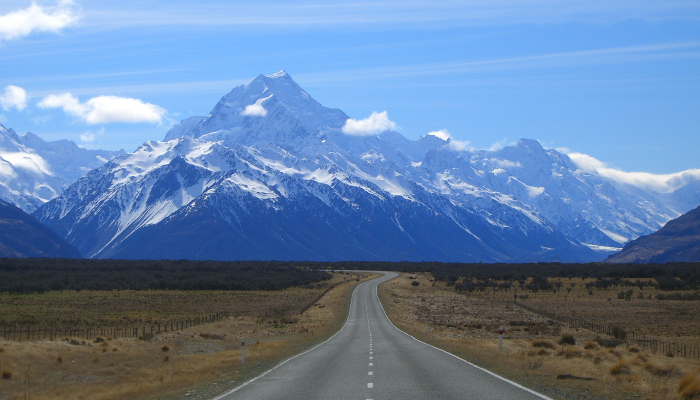
Aotearoa New Zealand is a mountainous country made up of the North and South Islands, with 60% of the South Island being covered in mountains. These mountain...
Entry last updated: 14/04/26
![Image: WW1 soldier Allan McMillan writing at a desk at Oatlands Park, Surrey, England (http://collections.tepapa.govt.nz/Object/900353) by [unknown]. Collection: Te Papa. Ref: O.031467. No known copyright. Image cropped.](https://images.ctfassets.net/q60gmaba8x5v/myUJkNYapHUENnlGYsAt2/c1d628297e2a6a917d31392dfd5c4ced/World_War_One__primary_sources_.jpg)