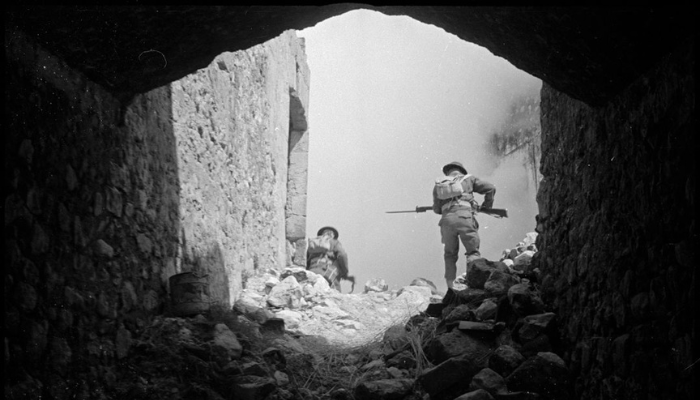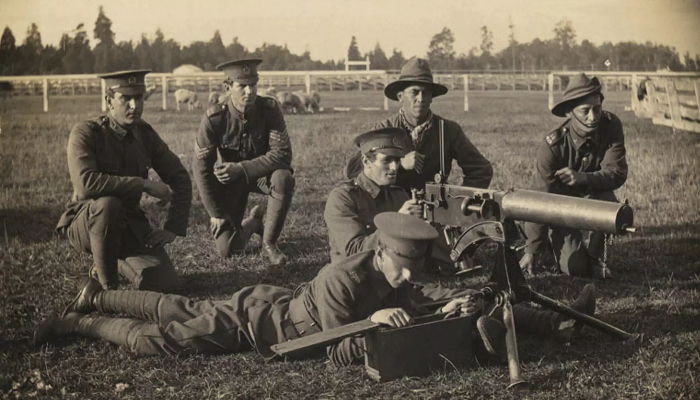
World War One, also called the First World War, took place between 1914 and 1918. It is called a 'world war' because so many different countries were involve...
View Topic

Explore Many Answers to find resources on popular topics and about your local region.
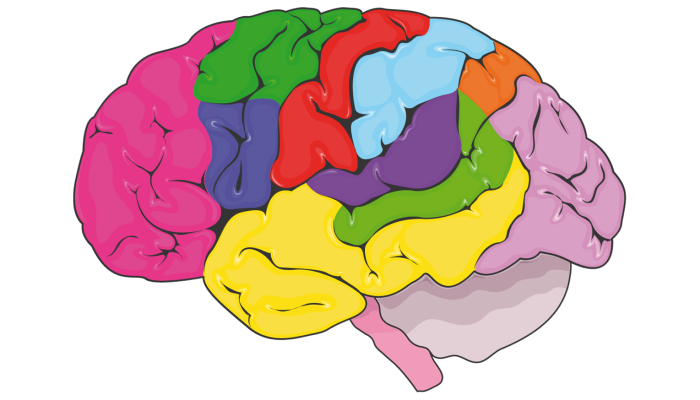
The human body is made up of many different parts, all of which have a special function or job. When several parts work together they are called body systems...
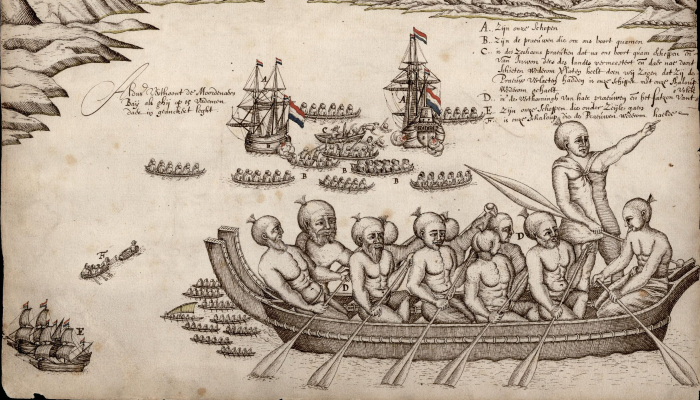
Entry last updated: 7/10/26On 6 October 1769, James Cook saw New Zealand from on board the ship Endeavour. He sailed into Poverty Bay two days later. This became the first meeting betw...
Entry last updated: 29/06/26Senior Secondary (Years 11 - 13)
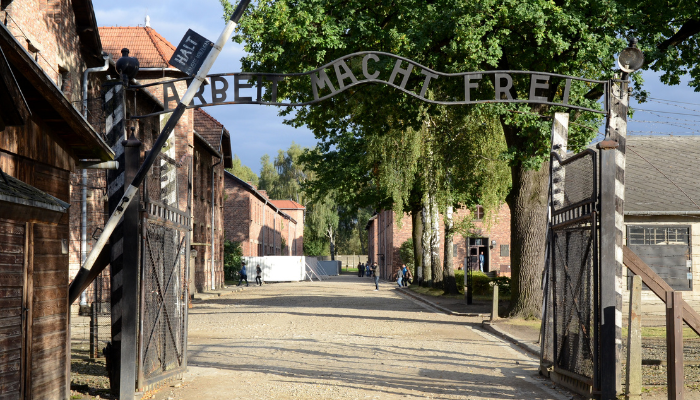
Holocaust is the name given to the systematic persecution and extermination of over six million Jews and others in Europe during World War Two. The plan for ...
Entry last updated: 10/07/25Junior Secondary (Years 7 - 10)
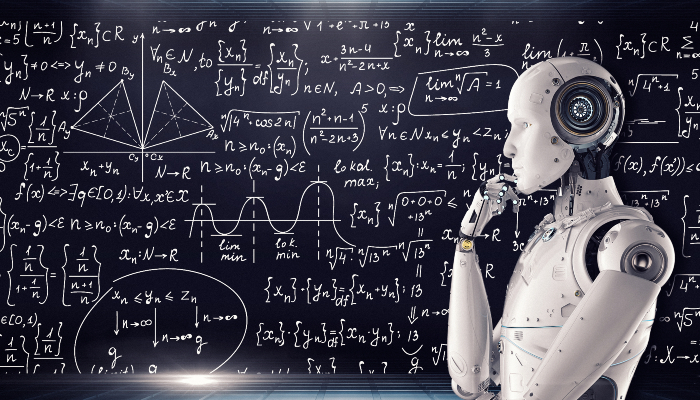
Artificial Intelligence or AI is an area of computer science that concerns machines making intelligent responses and thinking and reacting like humans.
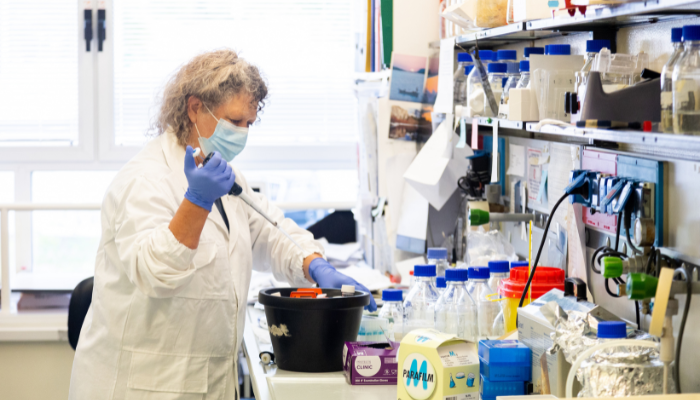
Entry last updated: 4/02/25New Zealand has many great scientists that work in a lot of different areas of science. Their research and discoveries have a big impact on our world. In thi...
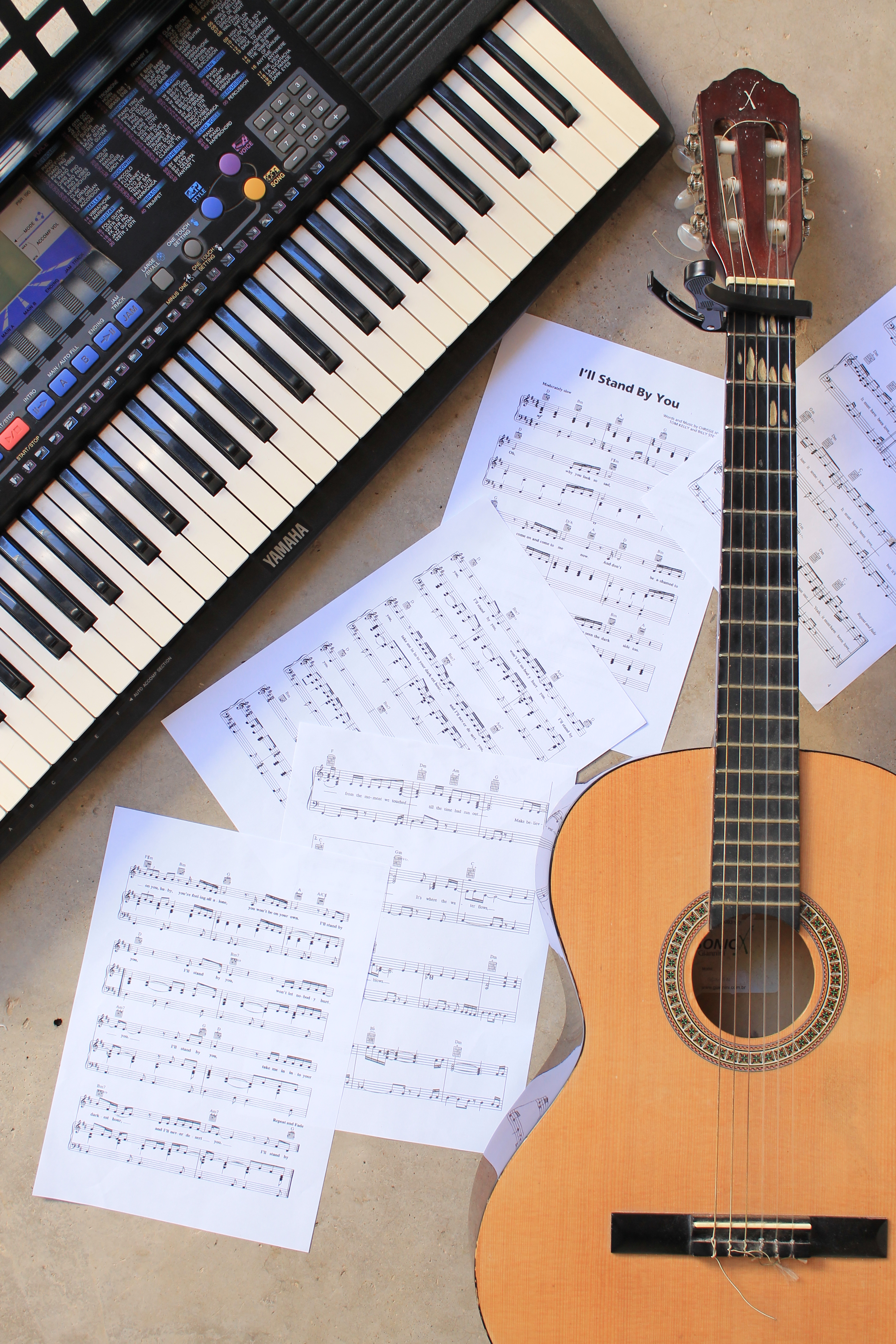
Entry last updated: 10/07/25Music is the pattern of sounds produced by people singing or playing musical instruments. It is also the art of creating or performing music. Written music u...
Entry last updated: 10/07/25Senior Secondary (Years 11 - 13)
Genetic modification (GM) is when the genome of an organism (like a plant or an animal) is changed when new genetic material is added. This could be a gene t...
Entry last updated: 25/11/24Junior Secondary (Years 7 - 10)
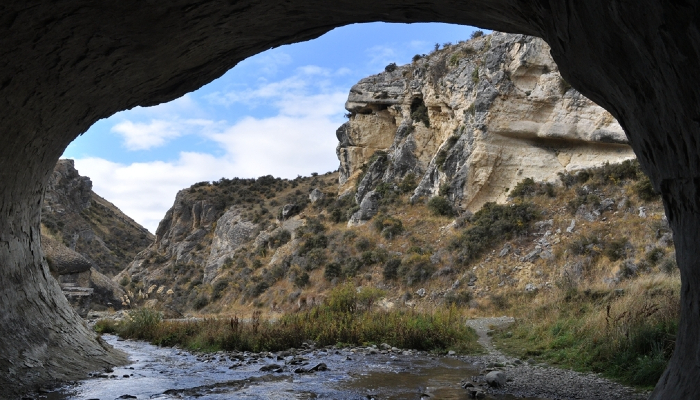
New Zealand is known for its limestone or karst caves and cave systems. Many are known for their formations and glow-worms. This entry will give you informat...
Entry last updated: 10/07/25Junior Secondary (Years 7 - 10)
World War Two (World War II, WWII, or WW2) was a global war which resulted in the death of 50 to 85 million people. It became the deadliest and most widespre...
Entry last updated: 10/07/25Calendars are used to divide and measure time. They have small units (days, weeks) that build into larger units (months, years). Calendars usually track the ...
Entry last updated: 20/05/26